Week 1: Planning for Urban Streets Festivals
Consultation has concluded
Planning through Street Festivals
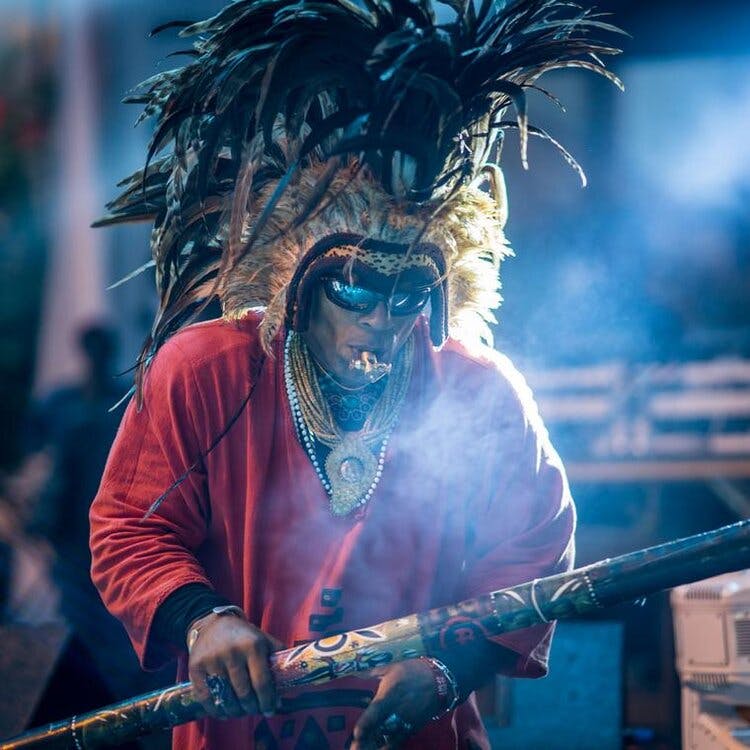
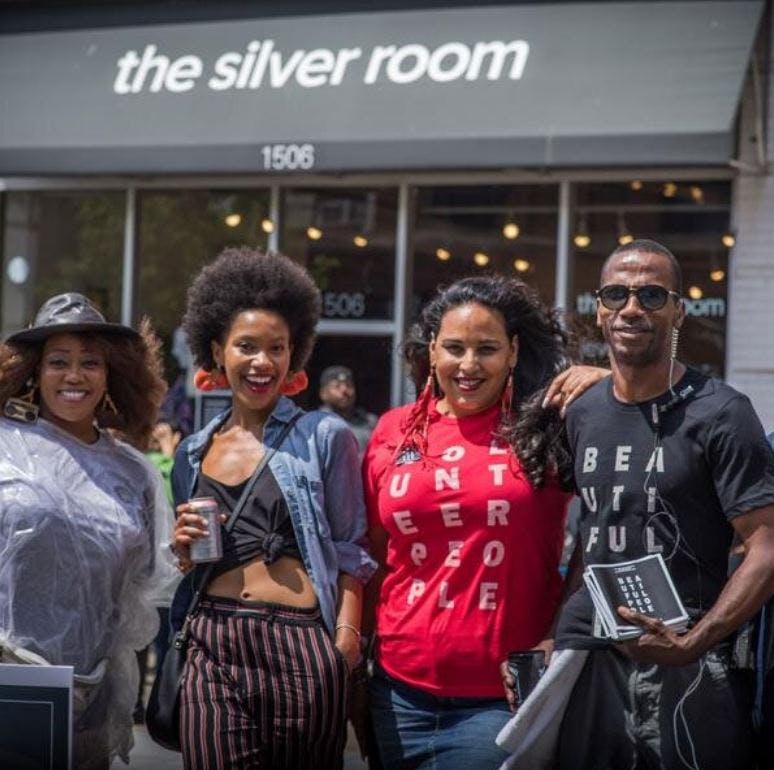
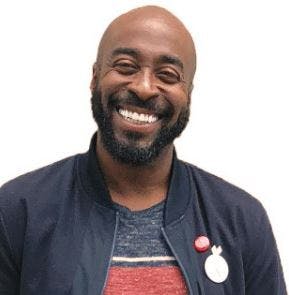
Can festivals be tools for social change? In this interactive session, learn how the logistics and processes of festival planning critically engage the city around arts, culture, and place-making. Eric Williams - the founder and CEO of Silver Room Block Party, a music festival that brings together talented, independent artists - will provide insight into the uniqueness of community festivals and how street festivals relate to nearby institutions and businesses. Eric will share the story of Silver Room Block Party's history, growth, and values. By the end of the session, you will leave with a greater understanding of this iconic festival and apply festival planning concepts in a short analysis for a festival of your choosing.
View a recording of the session here.
About this Page
This is the landing page for our first week on urban street festivals. Please feel free to explore the tools below and to the right of this post to gain a better understanding of what you can look forward to in this session.
- Check out Pre-session Content below to familiarize yourself with relevant resources put together by the sessions leaders. These tools will help you form a foundation for the week's session. Take a look through them before the session on Thursday.
- Let's Talk functions the same as the one found on the FLIP homepage. The only difference is that discussions are catered towards urban street festivals. Give us some insight to your experiences!
- Quick Thoughts functions similarly to the homepage's Get to Know Your Peers. Answer some quick questions about your exposure to urban street festivals - whether you have or haven't gone to one, let us know!
- Session documents can be found to the right. There, you'll find documents that we'll use during the sessions.
- You can find out more about your session leaders under Meet the Team.
- At the end of the week, head on over to Festival Reflection, where you can share festival images and reflections using principles you learned during your session. Fill this out at the end of session to wrap up your first week of FLIP!
Click here to go back to the FLIP homepage.
Planning through Street Festivals
Can festivals be tools for social change? In this interactive session, learn how the logistics and processes of festival planning critically engage the city around arts, culture, and place-making. Eric Williams - the founder and CEO of Silver Room Block Party, a music festival that brings together talented, independent artists - will provide insight into the uniqueness of community festivals and how street festivals relate to nearby institutions and businesses. Eric will share the story of Silver Room Block Party's history, growth, and values. By the end of the session, you will leave with a greater understanding of this iconic festival and apply festival planning concepts in a short analysis for a festival of your choosing.
View a recording of the session here.
About this Page
This is the landing page for our first week on urban street festivals. Please feel free to explore the tools below and to the right of this post to gain a better understanding of what you can look forward to in this session.
- Check out Pre-session Content below to familiarize yourself with relevant resources put together by the sessions leaders. These tools will help you form a foundation for the week's session. Take a look through them before the session on Thursday.
- Let's Talk functions the same as the one found on the FLIP homepage. The only difference is that discussions are catered towards urban street festivals. Give us some insight to your experiences!
- Quick Thoughts functions similarly to the homepage's Get to Know Your Peers. Answer some quick questions about your exposure to urban street festivals - whether you have or haven't gone to one, let us know!
- Session documents can be found to the right. There, you'll find documents that we'll use during the sessions.
- You can find out more about your session leaders under Meet the Team.
- At the end of the week, head on over to Festival Reflection, where you can share festival images and reflections using principles you learned during your session. Fill this out at the end of session to wrap up your first week of FLIP!
Click here to go back to the FLIP homepage.
Festival Reflection
Connect concepts from this session with a specific festival example! Share your insights for all four prompts.
- Choose one of the following:
- a festival photo from your own photo collection
- a drawing of a festival that already exists or a festival you’d like to create
- a festival photo you found online
- Answer the following questions about your festival. You can provide additional information or a narrative if you like.
- Access: Is the festival in a public or private space, or are there elements of both? What are the boundaries of the festival and how are they marked? Is the festival accessible to everyone?
- Connection: Does the festival have a theme? Does the festival have a strong connection to the place it is held in terms of design, culture, language, or food? Does it attract mostly local people or people from out of town?
- Impact: What is the impact of the festival? Who profits financially from the festival? Is any group negatively impacted by the festival?
- Post your photo or drawing along with your answers.
- Look at other submissions and enjoy!
-
Share Literature Festival (That is NOT Boring) on Facebook Share Literature Festival (That is NOT Boring) on Twitter Share Literature Festival (That is NOT Boring) on Linkedin Email Literature Festival (That is NOT Boring) link
Literature Festival (That is NOT Boring)
by AbigailR, almost 6 years ago
City festivals have the unique opportunity to engage and strengthen communities, to create a strong sense of place for a human being. What better way to strengthen and create a sense of belonging than through books?
To many people, a festival about books seems boring. How could books possibly bring people together? All they do is sit on a shelf and collect dust; how can pieces of paper promote vibrancy and belonging within a community? Contrary to many people's opinions, for centuries, and even today, people have clung to books as a recourse of comfort, joy, pain, compassion, love, adventure... Continue reading
City festivals have the unique opportunity to engage and strengthen communities, to create a strong sense of place for a human being. What better way to strengthen and create a sense of belonging than through books?
To many people, a festival about books seems boring. How could books possibly bring people together? All they do is sit on a shelf and collect dust; how can pieces of paper promote vibrancy and belonging within a community? Contrary to many people's opinions, for centuries, and even today, people have clung to books as a recourse of comfort, joy, pain, compassion, love, adventure, and truth. Books reveal some of the most innermost feelings of being human, and every reader can find characters they can relate to. Authors use books as means to express their ideas and frustrations. Ultimately, by reading, we learn about ourselves and others. C.S Lewis said it best: "We read to know that we are not alone." If a community can fall in love with characters such as Jane Eyre ("Jane Eyre"), Pharoah and Lafayette ("There are No Children Here"), Esperanza ("House on Mango Street"), or Anne ("Anne of Green Gables"), if they can understand what it means to be human, that community can more easily love its members and pursue what is true, good, and beautiful for a community.
Books have unified people since authors first began to write. Books are worth celebrating. Picture this:
You are new in town, and you feel like a stranger in a far away land. You decide to go into the heart of the city with the hope of finding interesting stores, nice areas to walk, or cool hang out spots. You step outside your front door and brace yourself for the new adventure. The sidewalk feels different, and the grass seems like the wrong shade of green. You continue to walk with your eyes wide open. Suddenly, as you encroach on the heart of the city, you begin to hear the sweet cry of a cello, and a high hum of a violin. You take a right, following the sound. Where is it coming from?
You turn the corner and the sound hugs you. In the distance, students from the local music school play a simple, yet beautiful baroque tune on a stage. In the sky are flying pages of books, pages attached onto strings that hang magically from tree branch to tree branch. On an open lawn, a public area of the city, you see an beautiful display of books begging anyone and everyone to open them up. You see people passionately discussing authors, children reading out loud, and people sitting by themselves peacefully. You are intrigued.
You receive a warm welcome by a lady standing by the welcome sign. You feel more at home already. She tells you to keep your eyes out for literature characters. People mingle around the book shelves, purchase interesting finds, and closely examine the fronts and backs of books with the hope of finding a new literary gem. You get to know the local literary exhibitors and local sponsors of the event as you peer around the lawn. A book catches your eye and you grab it off the shelf. You begin to have a discussion with the seller as you purchase it.
You finish a conversation with a young author as the quartet concludes their piece with a major chord, and someone begins to read poetry. You never liked poetry before, but this sounded new, different, beautiful. As the words are spoken, you cannot help but listen. The words draw you in and you take a seat on a bench near the stage. With a new book in your hand, your hear the rhymes of a local aspiring artist. In the distance you see Harry Potter talking to a couple, Gandalf pacing the lawn, and Jo from "Little Women" sitting across from you. More people take seats on the benches around you, and families sit together on picnic blankets around the stage. Altogether as a community you listen.
It is getting late, and the air begins to grow chilly. Before you leave, the host of the festival takes the stage and says a few words before the festival comes to a close. She explains her love of books, and how this festival was meant for her community. She desired for local people to come and fellowship among great books. Anyone was welcome to take a book and read it, and buy it if they wanted to keep it. The music and poetry was meant for all people to enjoy. Donations were to go towards the artists. She thanked everyone there for coming.
As you walk home, the sidewalk was now familiar, and the grass was the right shade of green.
-
Share Chinatown Summer Fair on Facebook Share Chinatown Summer Fair on Twitter Share Chinatown Summer Fair on Linkedin Email Chinatown Summer Fair link
Chinatown Summer Fair
by Angie , almost 6 years ago
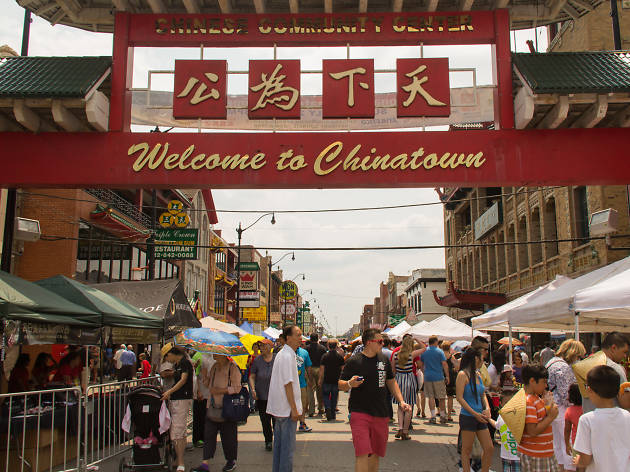
The festival is in a public space, but there are boundaries of the festival which are marked by roadblocks. The festival is accessible to everyone, but it might be harder for certain people to navigate through the crowds. The festival is a summer fair, and because it is located in Chinatown, there is a heavy focus on local Chinese/Chinatown food. The fair also sells plants and various household items. It mostly attracts local people in the Chicago area. The festival brings people of all ages together. The vendors/restaurants in the Chinatown area profit the most financially. Groups who normally go... Continue reading
The festival is in a public space, but there are boundaries of the festival which are marked by roadblocks. The festival is accessible to everyone, but it might be harder for certain people to navigate through the crowds. The festival is a summer fair, and because it is located in Chinatown, there is a heavy focus on local Chinese/Chinatown food. The fair also sells plants and various household items. It mostly attracts local people in the Chicago area. The festival brings people of all ages together. The vendors/restaurants in the Chinatown area profit the most financially. Groups who normally go to Chinatown would probably feel a bit inconvenienced by the crowd the summer fair attracts.
-
Share Matsuri - 2019 on Facebook Share Matsuri - 2019 on Twitter Share Matsuri - 2019 on Linkedin Email Matsuri - 2019 link
Matsuri - 2019
by Christina Garcia, almost 6 years ago
*photo of Masaji Terasawa, a.k.a. the Candyman, one of the few practitioners of the Japanese art of amezaiku (candy art) - from IllinoisBuzz
This festival took place in a public space. On the University of Illinois at Urbana-Champaign there are mutliple culture houses and this festival took place in the graden/open space by the Japan House. The boundaries for this festival were marked off with cones in the entrance but once inside there were no restrictions. Since it took place in the garden and open field the trees worked as the boundaries for the overall event. The festival was accessible... Continue reading
*photo of Masaji Terasawa, a.k.a. the Candyman, one of the few practitioners of the Japanese art of amezaiku (candy art) - from IllinoisBuzz
This festival took place in a public space. On the University of Illinois at Urbana-Champaign there are mutliple culture houses and this festival took place in the graden/open space by the Japan House. The boundaries for this festival were marked off with cones in the entrance but once inside there were no restrictions. Since it took place in the garden and open field the trees worked as the boundaries for the overall event. The festival was accessible to everyone from students, to staff and faculty of the university, and it was even open to members from the community!
The festival is named "Matsuri" which is Japanese for festival. The festival does have a strong connection to the place held since the Japanese garden and tea house were open for the visitors to see. Matsuri honored Asian cultural traditions (martial arts, taiko drumming) as well as contributions to popular culture (anime, manga). It drew restaurants and food trucks that don’t usually participate in festivals, as well as inspired other local favorites to come up with exclusive menus (such as Pandamonium Doughnuts, Matcha Green Tea, and Red Bean creations). Although the focus is on Japanese culture, other Asian cultures and Indian cultures were represesnted as well.
The impact of the festival creates an immersive experience by bringing people from all ages and cultural backgrounds together. The festival helps showcase and educate people who may not be familar with Japanese customs, art, language, and food. I don't think there is a group that is negatively impacted by the festival. The vendors and Japan House profit the most. This may be the first time people visit the Japan House which may encourage them to come and visit again. There were vendors that had stickers, art pieces, clothing items, food, etc. that were not from the Urbana-Champaign area and were able to gain new customers.
-
Share Square Roots Festival on Facebook Share Square Roots Festival on Twitter Share Square Roots Festival on Linkedin Email Square Roots Festival link
Square Roots Festival
by linneasjones, almost 6 years ago
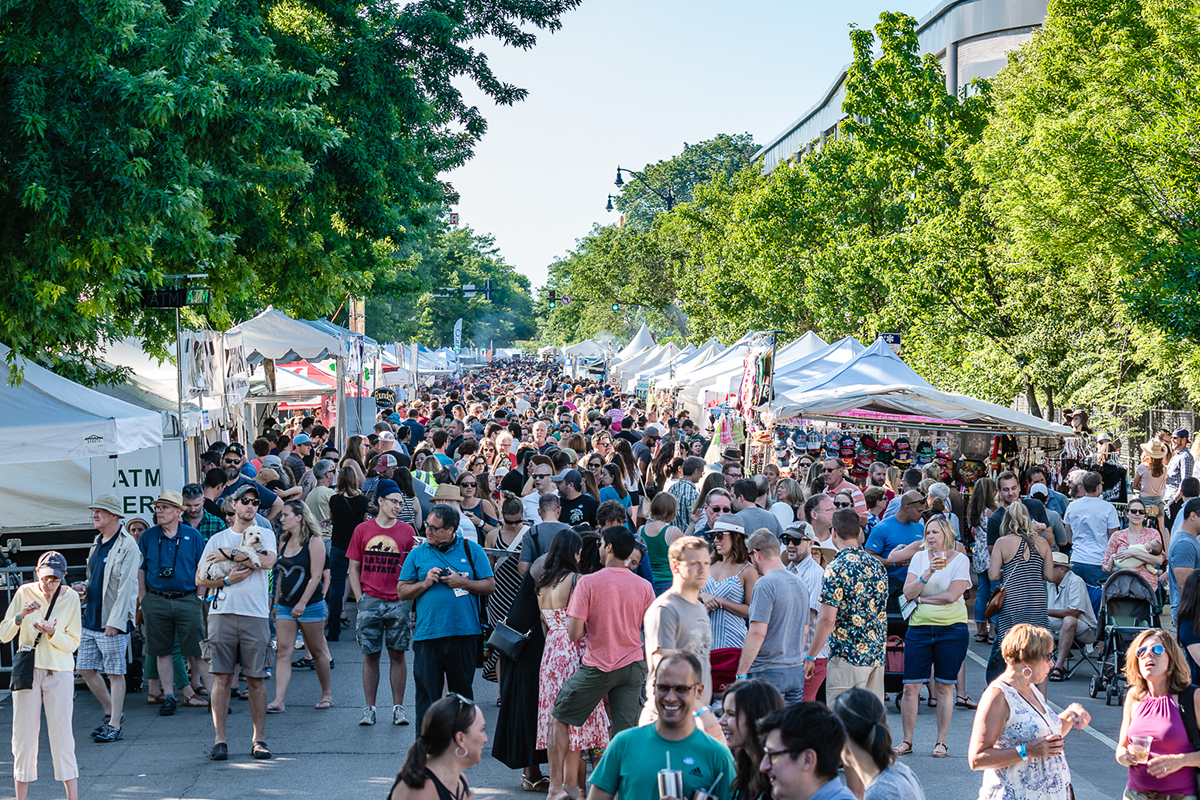
The square roots festival is accessible to everyone and only asks for donations. It is also located close to the L so people don't need a car to access it. It is on public streets and the boundaries are marked by tents and fences. The main theme of the festival is music and it showcases all types of music. The festival has a strong connection to the neighborhood as it is hosted by the Old Town School of Folk Music in Lincoln Square. It attracts mostly local people from the neighborhood. The impact of the festival is large because smaller... Continue reading
The square roots festival is accessible to everyone and only asks for donations. It is also located close to the L so people don't need a car to access it. It is on public streets and the boundaries are marked by tents and fences. The main theme of the festival is music and it showcases all types of music. The festival has a strong connection to the neighborhood as it is hosted by the Old Town School of Folk Music in Lincoln Square. It attracts mostly local people from the neighborhood. The impact of the festival is large because smaller artists have platforms to perform and sell their work. Additionally many local stores and restaurants sell at the festival, some in front of their own locations. This year it is canceled which will impact lots of the restaurants that can sell there. Fortunately because so many people are local these restaurants can retain some of their customers. This is a very family friendly event that supports small and local artist and restaurants.
-
Share House Music Festival on Facebook Share House Music Festival on Twitter Share House Music Festival on Linkedin Email House Music Festival link
House Music Festival
by sophiasalinas1, almost 6 years ago
Photo above shows my aunts, cousin, and I at the 2019 House Music Festival :)
- The House Music Festival was in a public space in Pilsen! Last years festival took place at Harrison Park. The boundaries were the outline of the festival, and they were marked by tall fences and barricades. It is accessible for the most part, but this year’s festival did charge a fee, so that might not be as accessible for low-income people.
- The festivals theme could be considered house music! It doesn’t have too much connection to culture because the vendors were serving all types of... Continue reading
Photo above shows my aunts, cousin, and I at the 2019 House Music Festival :)
- The House Music Festival was in a public space in Pilsen! Last years festival took place at Harrison Park. The boundaries were the outline of the festival, and they were marked by tall fences and barricades. It is accessible for the most part, but this year’s festival did charge a fee, so that might not be as accessible for low-income people.
- The festivals theme could be considered house music! It doesn’t have too much connection to culture because the vendors were serving all types of good (Mexican, American , etc) . It attracts people from all over Chicago! Die hard of fans might come from the suburbs, but I don’t know anyone who has done that!
- The vendors get lots of businesses, but the festival itself is probably making a little bit of profit since they charge for entry. They also might be using that money to pay for all other costs of the e festival (security, renting out park, etc). Street vendors that station themselves outside the park also get lots of business during this time !
-
Share Taste of Wheaton on Facebook Share Taste of Wheaton on Twitter Share Taste of Wheaton on Linkedin Email Taste of Wheaton link
Taste of Wheaton
by thiandim, almost 6 years ago
The Taste of Wheaton is in a public space. It's actually on streets that are closed off to vehicles. The boundaries are marked with fences and signs on the roads. The festival is accessible to everyone but if you want to go on the rides or play games, you would have to pay. You'll have to pay for the food also, of course. It does not have a theme but it does have a strong connection to the city. The food, concerts, events are mostly from local businesses. I would say it attracts local people but it also attracts some... Continue reading
The Taste of Wheaton is in a public space. It's actually on streets that are closed off to vehicles. The boundaries are marked with fences and signs on the roads. The festival is accessible to everyone but if you want to go on the rides or play games, you would have to pay. You'll have to pay for the food also, of course. It does not have a theme but it does have a strong connection to the city. The food, concerts, events are mostly from local businesses. I would say it attracts local people but it also attracts some people from neighboring cities/towns. The impact would be that it brings enjoyment/entertainment for the people. The people who benefit financially would be the local businesses, vendors and in general, the city.
-
Share Swedish Days on Facebook Share Swedish Days on Twitter Share Swedish Days on Linkedin Email Swedish Days link
Swedish Days
by jordan forbes, almost 6 years ago
Swedish days is put on in Downtown Geneva and is in a public space. This festival is all over Downtown, and even celebrated in other communities outside of Downtown Geneva. It does not have boundaries. Many of the attractions take place on 3rd Street, but can vary depending on where the vendors decide to put their stands. It is accessible to all ages, with attractions that are directed towards a specific group of ages. Swedish days does not have a theme, as it it usually the same attractions and vendors each year. People from the Tri-Cities usually come to visit... Continue reading
Swedish days is put on in Downtown Geneva and is in a public space. This festival is all over Downtown, and even celebrated in other communities outside of Downtown Geneva. It does not have boundaries. Many of the attractions take place on 3rd Street, but can vary depending on where the vendors decide to put their stands. It is accessible to all ages, with attractions that are directed towards a specific group of ages. Swedish days does not have a theme, as it it usually the same attractions and vendors each year. People from the Tri-Cities usually come to visit this festival since there aren’t many around our area like it. Small businesses and vendors can earn profits by setting up stands with their product they are selling. There are also other stands that support local charities and/or movements.
Sadly, this year Swedish Days was cancelled due to COVID-19, but hopefully will be back next year!
-
Share Six Corners BBQ Fest on Facebook Share Six Corners BBQ Fest on Twitter Share Six Corners BBQ Fest on Linkedin Email Six Corners BBQ Fest link
Six Corners BBQ Fest
by lrohlf, almost 6 years ago
A street festival I have attended in the past is the Six Corners BBQ Fest on Milwaukee Avenue in Portage Park. The festival was held in a public space, and the boundaries were marked by concrete barrier walls at either end of the block. Anyone is welcome to attend this festival, but there is a $5 admission fee.
The festival doesn't necessarily have a specific theme nor a connection to the place it is held in, but most of the food served is BBQ and most of the music played is rock music. Most people who attend this festival are... Continue reading
A street festival I have attended in the past is the Six Corners BBQ Fest on Milwaukee Avenue in Portage Park. The festival was held in a public space, and the boundaries were marked by concrete barrier walls at either end of the block. Anyone is welcome to attend this festival, but there is a $5 admission fee.
The festival doesn't necessarily have a specific theme nor a connection to the place it is held in, but most of the food served is BBQ and most of the music played is rock music. Most people who attend this festival are locals, but many local people are known to bring friends and family from out of town.
The impact of the BBQ Fest is that many people from the neighborhood and surrounding areas are brought together to enjoy good food and good music! There are also non-food related vendors, as well as fun activities to entertain a younger audience, such as bouncy houses and carnival-style games. Another activity that is entertaining for all ages is the professional wrestling matches that are held. Many sponsors and local shops benefit financially from this street fest. I wouldn't say that any groups are negatively affected (besides neighbors who don't appreciate the loud music). The Six Corners BBQ Fest is a great gathering place for the community!
-
Share Mads' Festival Reflection on Facebook Share Mads' Festival Reflection on Twitter Share Mads' Festival Reflection on Linkedin Email Mads' Festival Reflection link
Mads' Festival Reflection
by MadsShetty, almost 6 years agoThis is a festival photo that I found online, but I would like to imagine creating a multicultural festival in my neighborhood. The festival would be behind our local library, there is a public space with lots of space. There would be gazebo in the front of the festival for entry and donations. The festival would be accessible to everyone. The theme of the festival would be about embracing different culture. I'm inspired by the very diverse community I live in. The festival would have vendors who would serve ethnic dishes and people could buy small dishes. Additionally, people can... Continue reading
This is a festival photo that I found online, but I would like to imagine creating a multicultural festival in my neighborhood. The festival would be behind our local library, there is a public space with lots of space. There would be gazebo in the front of the festival for entry and donations. The festival would be accessible to everyone. The theme of the festival would be about embracing different culture. I'm inspired by the very diverse community I live in. The festival would have vendors who would serve ethnic dishes and people could buy small dishes. Additionally, people can dance to music in different styles. I believe the festival would mostly attract people who live in the area because it is relatively small. The impact of the festival would be awareness and appreciation for the diversity in the community. Vendors would also gain momentum since people would have tried new food and they can also gain profit by selling good.
-
Share Taste of Chicago on Facebook Share Taste of Chicago on Twitter Share Taste of Chicago on Linkedin Email Taste of Chicago link
Taste of Chicago
by jamestomaszkiewicz, almost 6 years ago
1.The festival takes place on public parks, streets, and sidewalks.The boundaries of the park are marked by gates and fences. Yes everyone can go to Taste of Chicago for free.
2.The festival has no specific theme. But is uniquely connected to our cities diversity, through giving a platform for food from all ethnic groups across the city to serve residents and tourists in one location.
3.Everyone benefits from the Taste of Chicago, as festival attendees get to try great food across the city. Vendors get exposure for their products and sell their products. No one is negatively impacted. The City... Continue reading
1.The festival takes place on public parks, streets, and sidewalks.The boundaries of the park are marked by gates and fences. Yes everyone can go to Taste of Chicago for free.
2.The festival has no specific theme. But is uniquely connected to our cities diversity, through giving a platform for food from all ethnic groups across the city to serve residents and tourists in one location.
3.Everyone benefits from the Taste of Chicago, as festival attendees get to try great food across the city. Vendors get exposure for their products and sell their products. No one is negatively impacted. The City of Chicago does financially benefit from the festival.
Speaker Spotlight
-
Founder and CEO of Silver Room Block Party
Session Documents
Meet the Team
-
Senior Planner at CMAP
-
Assistant Analyst at CMAP