Share Week 2: Planning in practice on FacebookShare Week 2: Planning in practice on X (formerly Twitter)Share Week 2: Planning in practice on LinkedinEmail Week 2: Planning in practice link
FLIP 2021 has ended.
Last week, we talked about how past planning decisions influenced many of the racial disparities we see in our region today. We’ll spend some time learning about the role of urban planners and how they can engage the community to ensure their voices are heard.
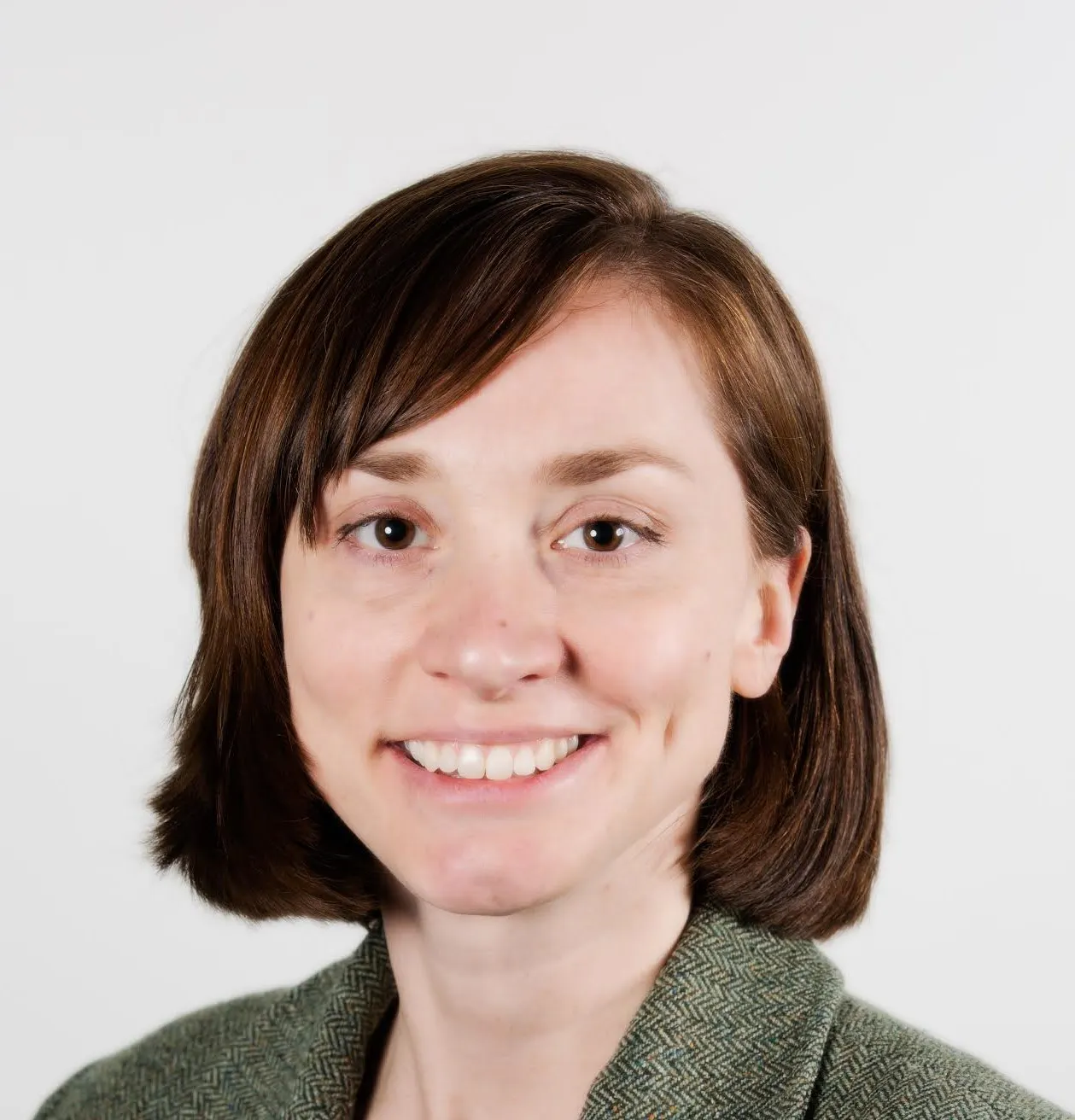
We will begin this session talking about the different skills and specializations of a planner and why it is important to include the community throughout the planning process. Dr.Kate Lowe, a professor in urban planning and policy at the University of Illinois at Chicago, will discuss research on public engagement and inclusivity in the planning process.
Before class
Take a look at the pre-session content to familiarize yourself with resources that will form the foundation for this week’s lesson.
During class
Join us on July 16, from 2:00 to 3:30 p.m., for class.
Last week, we talked about how past planning decisions influenced many of the racial disparities we see in our region today. We’ll spend some time learning about the role of urban planners and how they can engage the community to ensure their voices are heard.
We will begin this session talking about the different skills and specializations of a planner and why it is important to include the community throughout the planning process. Dr.Kate Lowe, a professor in urban planning and policy at the University of Illinois at Chicago, will discuss research on public engagement and inclusivity in the planning process.
Before class
Take a look at the pre-session content to familiarize yourself with resources that will form the foundation for this week’s lesson.
During class
Join us on July 16, from 2:00 to 3:30 p.m., for class.
Share Engagement 101 Discussion on FacebookShare Engagement 101 Discussion on X (formerly Twitter)Share Engagement 101 Discussion on LinkedinEmail Engagement 101 Discussion link
Briefly interview one or more people around you about what ideas they have about improving their communities. Share what you learned from the person you interviewed. For some suggestions on who to ask and what questions to ask see below.
People to ask:
People at school or your teachers
Adult family members that live in the region
Neighbors
Sample questions to ask:
What would make your community more sustainable?
Is this an affordable area to live? If not, what can help make it more affordable?
What decisions can make your community be more inclusive?
Is it easy to ride a bike or walk here? What would help get more people biking and walking here?
Is the subway/bus easy to use and easily available? What decisions can change transit access for the better?
Think about the examples of community engagement in the pre-session content, class, or other projects that you know of. What was effective and what was not? How can we better engage the community?
Briefly interview one or more people around you about what ideas they have about improving their communities. Share what you learned from the person you interviewed. For some suggestions on who to ask and what questions to ask see below.
People to ask:
People at school or your teachers
Adult family members that live in the region
Neighbors
Sample questions to ask:
What would make your community more sustainable?
Is this an affordable area to live? If not, what can help make it more affordable?
What decisions can make your community be more inclusive?
Is it easy to ride a bike or walk here? What would help get more people biking and walking here?
Is the subway/bus easy to use and easily available? What decisions can change transit access for the better?
Think about the examples of community engagement in the pre-session content, class, or other projects that you know of. What was effective and what was not? How can we better engage the community?


 Part 1
 Part 2